




Corporate Safety Footwear

Home » Workplace Safety and Health Checklist: 7 Key Components for Regular Evaluation

Workplace Safety and Health Checklist: 7 Key Components for Regular Evaluation

Two quality control workers in warehouse reviewing safety and health checklist

As focus on employee health and safety has increased, awareness of workplace conditions and protections has become a top priority. In the 2023/24 Labour Force Survey, 604,000 workers across all industries sustained a non-fatal injury according to self-reports through the HSE. A well-structured safety and health checklist is a valuable tool for preventing these issues, maintaining safety standards and meeting compliance requirements. In celebration of the European Week for Safety and Health at Work, we have compiled our own recommendations to help keep your employees safe on the job. 

Read on to find out what key components are included in our health and safety checklist, which is divided into seven sections. This safety and health checklist can be adapted for use in construction, manufacturing and food production, warehousing, healthcare and more. Follow these tips and make a note of the convenient, summarised checklist at the end, also from Shoes For Crews.

General workplace environment 

Cleanliness is one of the pillars of workplace safety. Keeping surfaces, spaces and floors clean and free of clutter helps in all working environments, from healthcare settings to retail shops. Similarly, proper lighting and ventilation allow for ease of movement and enable cleaning or harmful substances to air out. If your employees clean up spills immediately, ensure that buildings and work areas are well-lit and keep walkways and exits free of obstructions, you will greatly reduce the risk of slips and trips for your staff.

2. Electrical safety

Regardless of their size, one of the most vulnerable parts of workplaces is electrical outlets and cables. Frayed cables and wires, as well as overloaded sockets, can pose problems for warehouses, restaurants, and food manufacturing plants, to name a few. As you assess your own facility, it is important to ask yourself the following questions:

  • Are there any damaged cables or wires or any overloaded sockets?
  • Are all electrical panels and switches properly labelled and secured?
  • Is Portable Appliance Testing (PAT) carried out regularly?

Securing electrical equipment and regularly checking cables, wires and sockets can prevent costly fires before they start.

3. Workplace equipment and machinery

It is also crucial to evaluate your employees’ equipment and machinery. For most industries, the question, “Is the workplace equipment at our facility well-maintained and serviced regularly?” can tick the box on most safety and health checklists. However, two additional points should be noted for food and drink manufacturing plants, facilities and construction sites:

  • Are guards or safety covers in place that do not need replacing?
  • Are operators properly trained and authorised?

4. Fire safety

Fires can cause extensive damage to any building. This does not include the loss of time, effort and profit as work comes to a halt in the event of an emergency. Be sure to refresh your employees’ training on fire safety annually and keep all current reports and assessments on hand. 

Establish a routine for periodically reviewing and replacing or repairing the following items in your workplace: 

  • Fire extinguishers: are they accessible, tested and tagged?
  • Fire or smoke alarms: are they tested often, and are the batteries replaced seasonally?
  • Fire exits: are they clearly marked and unobstructed?

5. Manual handling

Assess all manual handling tasks for risks, and ensure that your employees have received training in safe lifting techniques and in the correct use of mechanical lifting equipment. Overexertion and repetitive actions are two of the leading causes of manual handling injuries in many industries.

These actions include holding an awkward or forced posture for prolonged periods, heavy or frequent lifting, pushing, pulling and carrying (i.e. heavy boxes of products or equipment), and sustained sitting, standing or carrying objects such as clipboards and tablets continuously throughout a shift.

6. Hazardous substances (COSHH)

COSHH assessments must be adhered to when working with chemicals of any kind. As you continue with this safety and health checklist, It is also essential to understand the differences between various types of cleaning and sanitising products.

Examples of common chemicals in the workplace include:

  • Cleaning products (soaps, detergents, commercial sprays, chlorine, ammonia and iodine)
  • Corrosive (sulfuric acid, sodium hydroxide and other commercial chemicals)
  • Irritant-causing (descalers, drying agents, disinfectants and detergents)
  • Allergen-causing (soaps, detergents, latex)
  • Aerosol (floor wax strippers, caustic cleaners) 

Once you and your employees have reviewed this information, store and label them correctly.

7. Personal protective equipment (PPE)

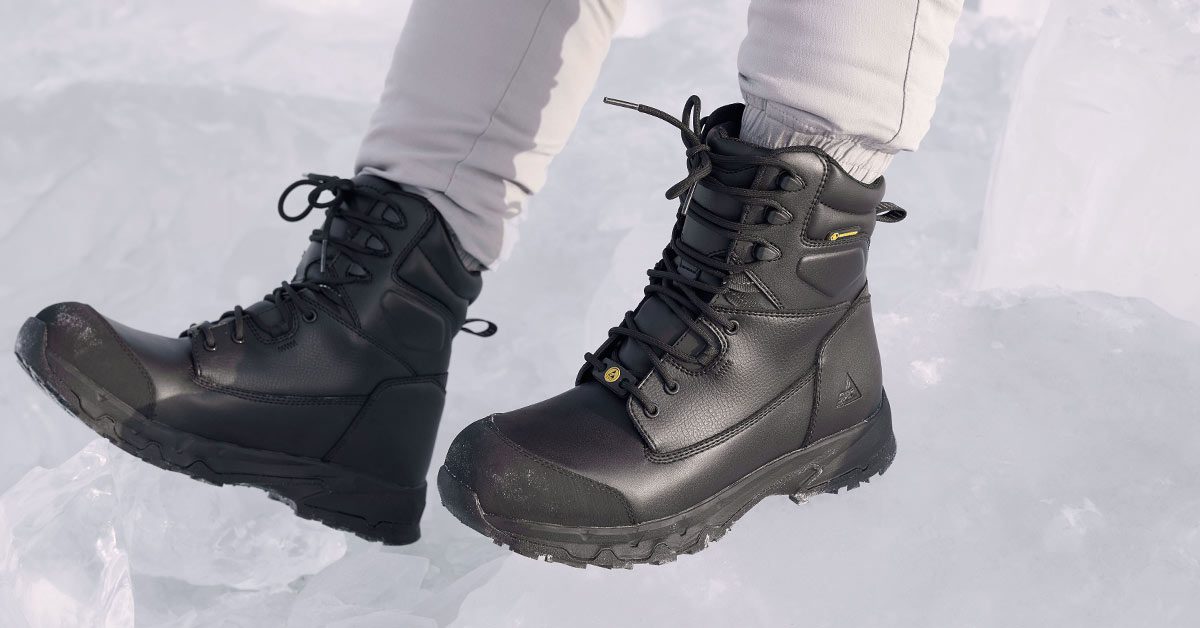
Last, but not least, on our health and safety checklist is personal protective equipment (PPE), which must be worn if there are still hazards present in the workplace. This can refer to items such as masks, goggles, gloves, earplugs and slip-resistant safety shoes or boots. It is vital to assess whether your facility has the appropriate items available and that they are well-maintained or need replacing. 

Due to the high risk of slips, trips and falls in many professions, it is essential that your staff are equipped with comfortable, durable footwear that can withstand even the toughest workloads and high-stress environments.

Our safety shoes and boots are known for their slip-resistant outsoles and provide superior traction which reduces the risk of workplace accidents and the protective, waterproof layers guard against liquids, spills and splashes. At Shoes For Crews, we offer a wide range of shoes and boots that can meet your employees’ needs. Get in touch with one of our footwear specialists and we will help you choose the most appropriate styles for your industry.

Sign up to our Newsletter!

 
Browse our shoes

Hello!

You are currently visiting our European site. If you're visiting from a different region, select your location below to browse the right site for you.